The speed of attacks is putting defenses under pressure
The use of artificial intelligence tools is changing the pace at which attackers search for vulnerable systems and plan their moves. Spyros Papageorgiou, Secretary General for the Protection of Critical Entities, warned in an interview with ERT that “Anything vulnerable right now will be hit quickly.”
He made clear that there is no absolute digital protection and that an attack can happen at any time. He described two main categories of attackers: cybercriminals, who seek financial gain, and state actors. The latter, he said, may seek not only to steal information but also to maintain hidden access so they can disrupt a system at a critical moment.
A breach is not necessarily a sudden act. As Mr. Papageorgiou explained, attackers map exposed networks, examine their software and look for weaknesses before attempting to gain deeper control. That is why, beyond responding immediately to an incident, there is also a need to systematically search for intruders who may already have established themselves in a network without being detected.
From refrigerators to critical services
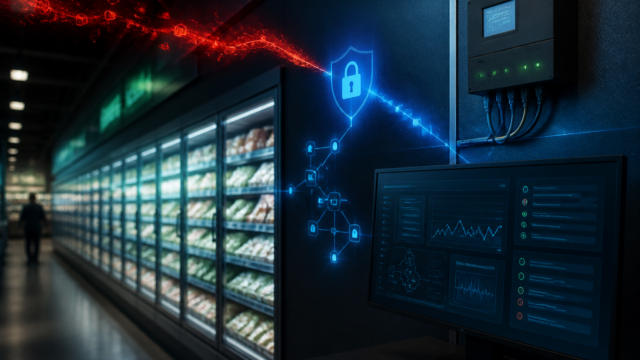
The discussion also concerns systems not usually associated with cybersecurity. Asked about the possibility of targeting refrigeration systems in supermarkets, Papageorgiou acknowledged that this is a concern. In the example he gave of incidents involving cold-storage rooms, he described remote access as the point of exposure, which could give an intruder extensive control.
The practical point is that digital security is not just about computers and files. A connection that makes maintenance or remote management easier can become a gateway into a wider system if it is not properly restricted. The secretary general recommended that such applications not be exposed to the internet and that access rights be limited to what is strictly necessary. He also stressed the need for continuous network monitoring.
His warning that cyberattacks are linked to international crises and may precede military operations shows why infrastructure protection has wider significance: it concerns the continuity of services that underpin everyday life and the functioning of the country.
“Anything vulnerable right now will be hit quickly”
Spyros Papageorgiou, Secretary General for the Protection of Critical Entities
The institutional framework is advancing, but readiness varies
Greece has strengthened its rules and the competent authorities, but this does not mean that every organization is equally prepared. According to Enikos, the creation of the National Cybersecurity Authority brought together responsibilities that had previously been fragmented. The same source reports that the country transposed the European NIS2 Directive through Law 5160/2024 and is implementing a National Cybersecurity Strategy for 2026–2030.
Enikos also reports that the obligations apply to critical sectors, including energy, transport, health, water supply, banking and digital infrastructure. They include risk management, reporting incidents within 24 hours and accountability for management. These rules have practical implications for citizens and businesses: protection is determined not only by laws, but also by whether organizations identify weaknesses in time and can continue operating.
As an additional measure, Michalis Bletsas, head of the National Cybersecurity Authority, has recommended keeping backups offline, according to Enikos. The same source reports a special 12-point plan to protect the health systems and hospitals of the National Health System (ESY). The next priority, based on warnings from the officials responsible, is consistent monitoring and the timely fixing of vulnerable points.
The Greek dimension
Greece has strengthened its institutional cybersecurity framework, while the obligations apply to critical sectors such as energy, health and transport.