Two incidents, two critical infrastructures
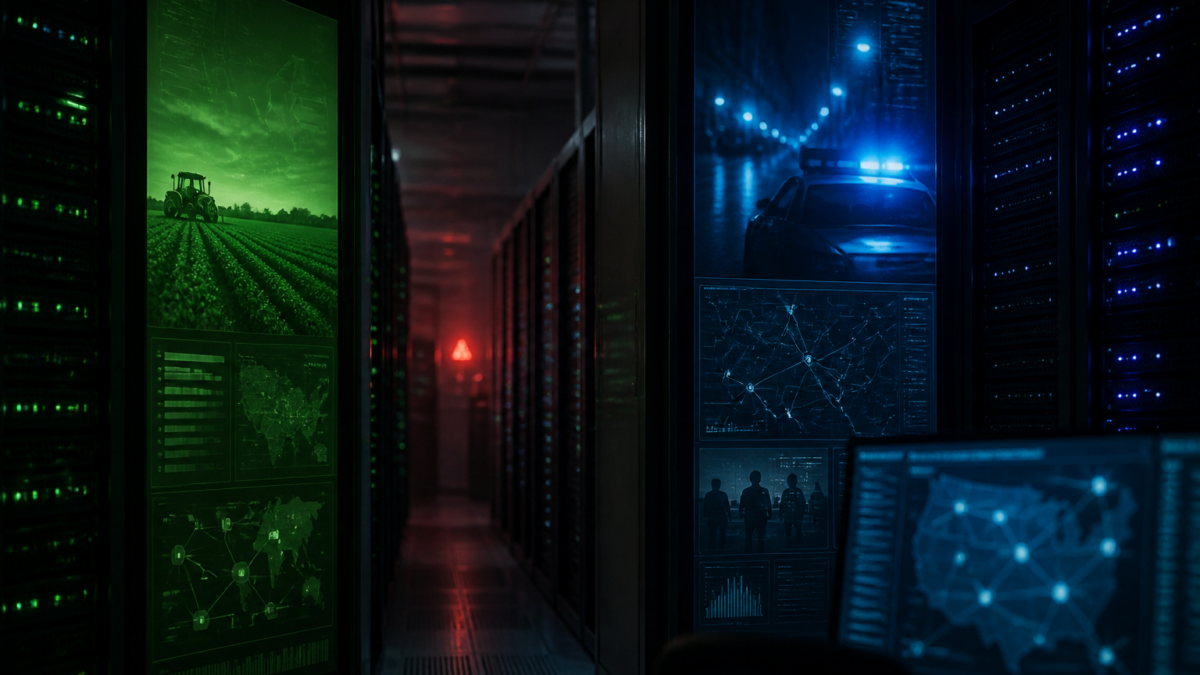
Reports of cyberattacks on the US Department of Agriculture and the FBI have drawn attention to two systems with different functions but particular importance to the operation of the state. In the first case, the focus is on digital infrastructure that facilitates payments to farmers. In the second, it is on the National Crime Information Center, known as NCIC, a database managed by the FBI and used by law enforcement agencies across the country.
The incidents came to light during a week in which serious outages were reported across US services and networks. However, the timing does not prove that the breaches are connected to each other or to the outages. The available information does not identify who is behind either case, and there is no confirmation that they were part of a joint operation. Authorities are investigating the incidents, but the picture remains incomplete.
Access to the payment system and fears of a “back door”
Regarding the Department of Agriculture, reports said employees were notified that the system for payments to farmers had been targeted in a cyberattack. The system is described in the reports as the only known point of entry so far. It is unclear whether the attackers accessed payment data, copied it or affected the service’s operations.
The greatest concern raised by former officials is not limited to the payments themselves. They said a breach of one system could be used as a gateway to more sensitive information held by the department, including food safety data and research into diseases transmitted by animals. This is a potential risk, not confirmation that such material was exposed or removed. The department had not publicly responded to the reports when they were published.
“I don’t like this.”
Donald Trump, US president
NCIC: information used by police every day
The FBI case concerns NCIC, a nationwide database that connects federal, state and local agencies. It contains information on warrants, wanted or missing persons, as well as other criminal justice records. Police officers can consult it, among other things, during traffic stops and as part of investigations. This makes the integrity and availability of its information directly important in practice.
The breach is described as suspected, and the FBI is reportedly investigating the case. It is not known exactly when the intrusion took place, how access was obtained or whether any data was stolen. It is also unclear whether the system’s operation was affected for the agencies that use it. A former FBI official voiced concern that altering records could undermine the reliability of the data on which police officers rely. Here, too, that concern does not amount to a finding that any records were in fact altered.
The earlier incident and unanswered questions
Reports describe the NCIC incident as the second breach involving the FBI since September. At the time, a hacker group called ShinyHunters targeted employee and applicant data through a platform linked to the FBI’s recruitment website. Different accounts of that incident made claims about a large volume of information, but there is no indication that the current intrusion into NCIC is connected to the group or the earlier incident.
The distinction matters: the earlier case involved personal data related to recruitment, while the current report concerns a database of law enforcement information. The FBI had not publicly confirmed the new incident or responded to requests for comment cited in the relevant reports. Without an official update on the extent of the access and the findings of the investigation, no reliable conclusion can be drawn about the type or extent of the exposure.
Network outages and the political dimension
The two reported breaches came amid significant problems affecting technology services and infrastructure. According to reports, outages disrupted travel, communications and electronic transactions, and a problem was also reported on an internal network at the National Security Agency. Other incidents involved disruptions to services at Microsoft and the Federal Aviation Administration. Government officials had said that those particular outages were not connected to criminal activity. Cyberattacks, by contrast, are breaches and should not automatically be confused with every technical outage.
The case also took on political significance when Donald Trump referred to the breach during a television interview. He initially said he had just been briefed and did not like the development, then went on to suggest that the incident might reveal information related to political disputes. These remarks do not constitute evidence about the content the intruders may have seen. Meanwhile, the head of the FBI had spoken about an initiative aimed at countering cyberattacks. Ultimately, the substance of the matter will depend on the results of the investigations: which systems were affected, whether data was accessed and whether services relying on them were impacted.