The process took place six days after his death
Sir Patrick Stewart died at his home in Los Angeles on October 28, at the age of 86. His family chose alkaline hydrolysis for the handling of his remains; according to the two reports, the process took place on November 3.
According to published reports, his death certificate states that the actor had Alzheimer’s disease and Lewy body dementia. Cardiopulmonary arrest is listed as the final event. Stewart became widely known for his roles as Jean-Luc Picard in «Star Trek» and Charles Xavier in the «X-Men» films.
Water and alkaline substances instead of cremation
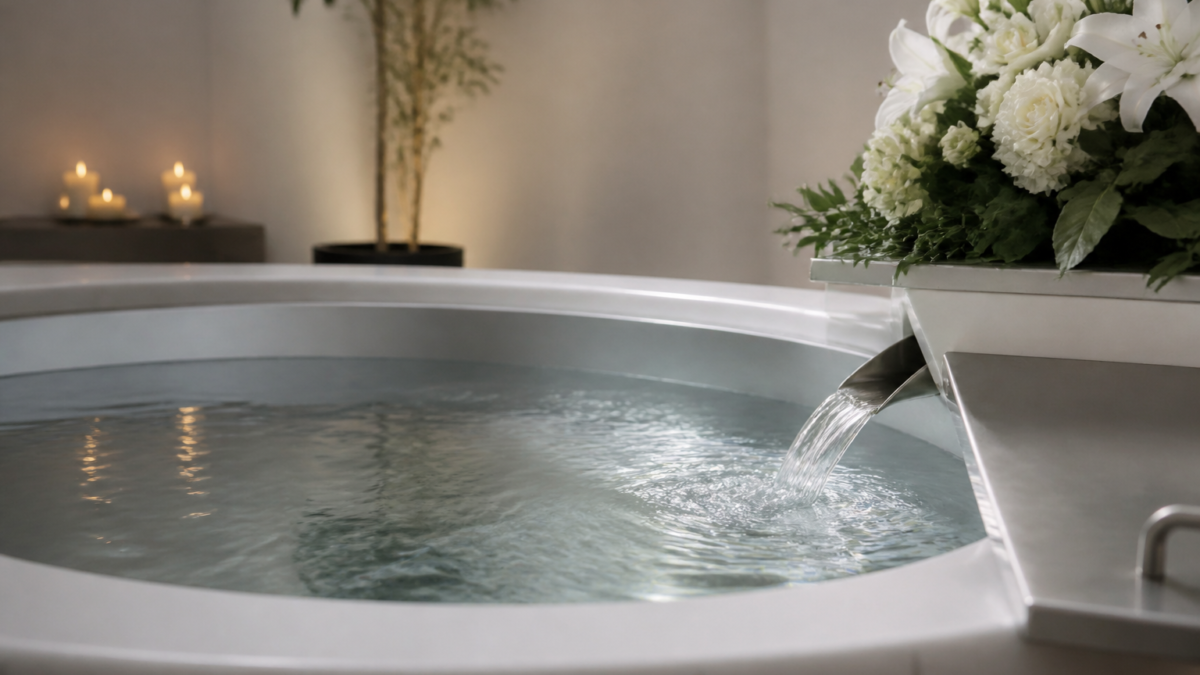
Alkaline hydrolysis accelerates natural decomposition using water, alkaline substances and heat. The body is placed in a special chamber and processed under controlled conditions, without the direct use of flames that characterizes traditional cremation.
At the end, bone fragments remain, which can undergo further processing, along with liquid waste containing dissolved organic and inorganic substances. According to Ta Nea, the bone remains are turned into a fine powder and given to the family, while the liquid is handled in accordance with the relevant regulations.
The method is presented in the reports as an option with lower energy requirements and no direct emissions from combustion. This partly explains the interest in it, but it does not mean that it is available everywhere or that the rules for handling the liquid are the same in every country.
Why the option is not available in Greece
Stewart’s case highlights an alternative that sits between the usual options of burial and cremation, but access to it depends on legislation and available infrastructure. Both sources report that alkaline hydrolysis is not provided for under the current framework in Greece and that there are no facilities in operation offering it.
So, for a reader in Greece, the family’s choice does not currently translate into an available service in the country. The reports note that the method is used in other countries, including the United States, Canada, Australia and New Zealand. They do not, however, provide any specific timetable or plan for changes to Greek legislation. Whether it will be considered as an option here therefore remains open.
Sources
iefimerida, November 22, 2026 · Ta Nea, November 22, 2026
The Greek perspective
According to the sources, alkaline hydrolysis is not yet covered by legislation in Greece, and no relevant facilities are operating in the country.