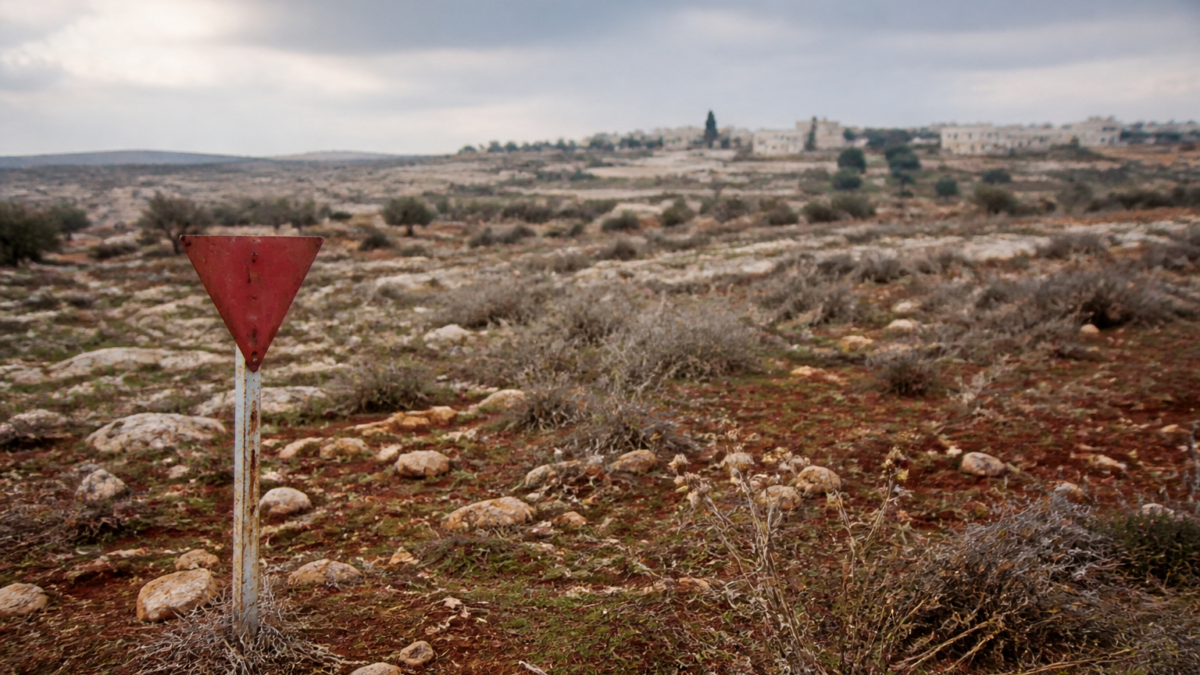
The explosion in Umm Huzaym
The accident occurred on November 22 in Umm Huzaym, a village in the rural area of Idlib governorate. According to local media, five children were killed and two other minors were injured.
Syrian state television reported that the landmine had been left at the site from the period when Bashar al-Assad was in power. The report attributes the device’s origins to that period; the available information gives no further details about how the explosion occurred or the circumstances in which the children came to be at the site.
Explosives that continue to kill
The incident is part of a wider problem: landmines and unexploded ordnance remain scattered across Syria after a civil war lasting more than 13 years. During the conflict, different sides laid mines in areas across the country, according to reports.
The figures cited by both sources show the scale of the danger. From Assad’s fall in late 2024 through early September, a national coordination mechanism under the UN Mine Action Service (UNMAS) recorded 1,337 explosive incidents. The records covered a total of 2,375 people killed and injured, while more than 850 of the victims were children.
Simon Jackson, head of the HALO Trust programme in Syria, told Agence France-Presse in September that explosive remnants were causing an average of one death or injury every six hours. For the previous year, a preliminary report by the Landmine and Cluster Munition Monitor recorded 1,600 people killed or injured in Syria—the highest number worldwide.
“one death or injury every six hours”
Simon Jackson, head of the HALO Trust programme in Syria
Why recording casualties matters
The figures show that the danger is not limited to the days of fighting: explosives remain a threat even after a change of power. The fact that many of the recorded victims are children underscores how exposed communities living in areas contaminated by such remnants remain.
The explosion in Idlib adds another fatal incident to an already extensive tally. However, the available reports do not say whether an operation to remove the explosives in Umm Huzaym has begun, nor do they describe specific measures to follow. Therefore, the sources provide no timetable for clearing the area or broader plan to address the problem.