Big discounts on a phone and a sports watch
In the phone category, the Pixel 11 Pro XL is presented as the most expensive option on this list. It costs $899 on Amazon, a $400 reduction, and is described as the lowest price the device has ever reached. The main highlights accompanying the deal are its camera system, large display, Gemini features and promise of years of updates. These features focus on long-term use, not just the initial price.
In wearables, the Garmin Instinct 3 AMOLED costs $249.99 on Amazon, with a reported discount of $200 and a price $100 lower than what it sold for during most of the fall. This version is 45mm and black. It combines an AMOLED display with multi-band GPS, a built-in LED flashlight, and health and workout tracking tools. The discount therefore applies to a watch presented as durable, while also adding a brighter display to the Instinct line.
The robot vacuum that lowers the cost of convenience at home
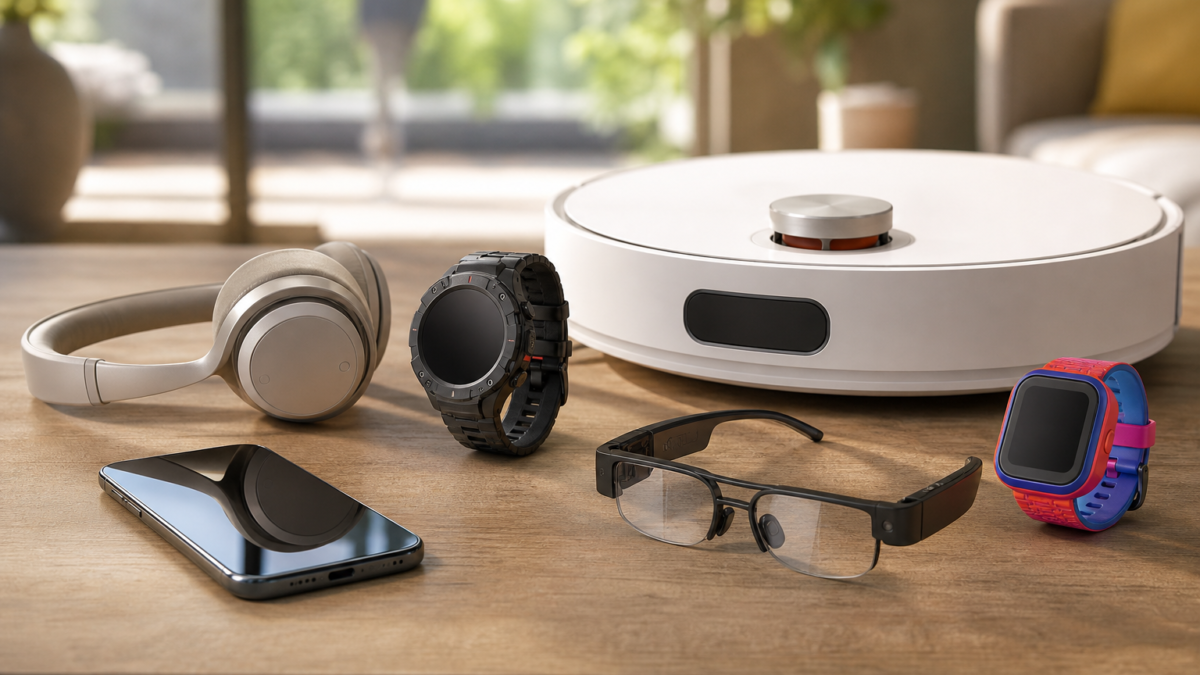
The Narwal Flow 2 has dropped from its $1,499.99 retail price to $949.99, both on Narwal’s website and on Amazon. The reduction is $550, but even with the deal, it remains a significant purchase. The device is described as a 2026 flagship and emphasizes automation: its base can be cleaned with hot water, dried with hot air and automatically emptied of dust for up to 120 days.
For hard floors, the FlowWash system uses a rotating belt-style mop, 140-degree water and 12N of pressure. Cleaning intensity is adjusted through AI DirtSense, while suction reaches 31,000Pa. There are also features for carpets and a brush design intended to reduce hair tangles.
Navigation relies on dual RGB cameras and artificial intelligence to avoid obstacles. Special Baby Care and Pet Care features are also listed, along with a choice of white or black. The review accompanying the deal highlights the device’s cleaning performance and battery life, without changing the practical question: does the buyer need enough automated features to justify the price?
Headphones for travel and glasses that display information in your field of view
The Sony WH-1000XM6 are priced at $348 on Amazon, the lowest price the retailer has charged for them, according to the deal description. The headphones feature noise cancellation, a 12-microphone system for calls and a foldable design. Their reported battery life is up to 30 hours with noise cancellation enabled. Sony’s app offers equalizer settings, and the price applies to all available colors.
A different option is the RayNeo iO, smart glasses priced at $389 instead of $499 through November 30, on Amazon and rayneo.com. They have a micro-optical display that, according to the description, cannot be seen by someone sitting across from the wearer, and they have no camera or recording capability. They are rated IP54 for dust and water resistance.
The glasses include two AI features at no extra subscription cost: RayNeo V1 for instant voice answers and Google Gemini 3.1 Flash Lite for reasoning and context-based assistance. The deal also includes a six-month AI Pro VIP subscription, providing access to more models. To activate it, the glasses must be purchased between November 19 and November 30 and activated by December 18, 2026.
Navigation is one of the uses described in the most detail: directional arrows, street names and transit updates appear in the wearer’s field of view, so the phone can stay in a pocket. For those who need prescription lenses, free basic custom lenses are available in compatible configurations from November 27 to 30. Upgraded lenses are free with the first 100 orders worldwide. The charging case is available in a bundle for $428 instead of $549.
Kids’ smartwatch: simpler connectivity or more features?
For parents who want to communicate with their children without giving them a smartphone, the two options being compared are the Garmin Bounce 2 and the Bark Watch. The former starts at $235, with a discount of $50–$64 depending on the color. The blue version is listed as the cheapest. The Bark Watch is discounted by $11 on Amazon and costs $274 in total, while the reduction on Bark’s website is $50.
The Garmin Bounce 2 is the simpler of the two devices. It allows calls and messages to parents, tracks steps and supports location alerts and tracking. An LTE subscription costing $9.99 per month is required for LTE features. It has no health sensors, a polycarbonate case and 5ATM water resistance. It includes simple games and educational apps, while the Garmin Jr. app lets parents link rewards to chores or schoolwork. The battery lasts about 2 days with typical use, but may last less when the LTE signal is weak. It is aimed primarily at children aged 10 and under.
The Bark Watch uses hardware from the Samsung Galaxy Watch 8 and a customized version of Wear OS, without access to the Google Play Store. It does not include games, social networks or a browser, but it has health sensors and more multitasking capabilities. The trade-off is battery life of about one day. Bark’s subscription costs $15 per month and covers the Bark app for the whole family. Adding the app to another phone or tablet costs an additional $5 per month.
The final price isn’t always the total cost
The discounts do not all have the same terms. Some Amazon deals may be available only to Prime members, while prices and availability are expected to change as Black Friday approaches. For the RayNeo iO, the free AI Pro VIP subscription and lenses have specific time windows and activation requirements. Similarly, LTE services for kids’ watches or use of the Bark app involve recurring charges.
There is also a difference in approach behind the options. The Garmin Bounce 2 focuses on basic communication, tracking and simple activities, while the Bark Watch offers a richer set of features but needs charging more often and has a higher subscription fee. For the other products, the discount may make advanced features more affordable, from the glasses’ navigation to Narwal’s automated cleaning. The most useful comparison, then, does not stop at the amount taken off the original price: it also includes the cost of use, the terms of the deal and whether the features suit the buyer’s needs.
For the RayNeo iO, the company is also reported to be planning a public release of its SDK in December 2026. The promise is that users will be able to create and share apps by describing what they want, without needing programming experience. This is a future development that remains to be tested in practice; for now, the purchase is based on the features and terms described for the current deal.